Kategori: English

In business, leadership abilities are crucial! An entrepreneur requires leadership skills as they can significantly affect the development of an organisation and bring impact to those around them. We want to share with you some of the business leadership traits that we have.


Izwan Zainuddin, PUNB’s CEO, expressed heartfelt congratulations and gratitude to the 12 entrepreneurs for their dedication and hard work during the three-day exhibition.

“I hope this three-day journey has opened doors for our entrepreneurs to penetrate the middle east market, understand consumer needs, and set the stage for future successes. We are looking forward to the next exhibition in Dubai with even greater improvements,” he stated, emphasising the event’s significance for Malaysia entrepreneurship.

PUNB celebrates remarkable success at Dubai Trade Fair 2023 – News | Khaleej Times

Business in an ESG (Environmental, Social, and Governance) environment involves operating and making decisions with a strong focus on environmental sustainability, social responsibility, and good corporate governance. ESG considerations are becoming increasingly important for businesses as stakeholders, including investors, customers, employees, and regulators, place greater emphasis on ethical and sustainable practices. Here’s how businesses can thrive in an ESG environment:

  • ENVIRONMENTAL SUSTAINABILITY

Resource Efficiency: Implement measures to reduce waste, conserve resources, and minimize energy consumption. Adopt sustainable practices such as recycling, using renewable energy sources, and optimizing supply chain operations.

Carbon Footprint Reduction: Set targets to lower carbon emissions and adopt strategies to achieve them. This may involve adopting greener technologies, optimizing transportation, and investing in energy-efficient infrastructure.

  • SOCIAL RESPONSIBILITY

Diversity and Inclusion: Foster a diverse and inclusive workplace that values employees from different backgrounds, cultures, and perspectives. This promotes innovation and helps attract and retain top talent.

Ethical Labor Practices: Ensure fair wages, safe working conditions, and respect for labor rights throughout the supply chain. Avoid engaging with suppliers that violate human rights or labor standards.

Community Engagement: Engage with local communities to understand their needs and contribute positively through initiatives such as volunteering, charitable giving, and supporting local businesses.

Stakeholder Engagement: Involve stakeholders in decision-making processes to ensure their perspectives are considered. This includes engaging with customers, employees, investors, and advocacy groups.

  • GOOD CORPORATE GOVERNANCE

Transparency and Accountability: Maintain transparent reporting on ESG performance, goals, and progress. Regularly communicate with stakeholders about the company’s efforts and achievements in sustainability and social responsibility.

Ethical Leadership: Lead with integrity, ethical behavior, and a commitment to long-term sustainability rather than short-term profits.

Risk Management: Integrate ESG factors into risk assessment and management strategies to identify and mitigate potential risks.

  • ESG REPORTING AND METRICS

ESG Reporting Frameworks: Utilize established ESG reporting frameworks such as GRI (Global Reporting Initiative), The MAJU Framework by United Nation Global Compact (UNGC) and SEDG by Capital Malaysia Market to provide standardized and meaningful ESG disclosures.

Key Performance Indicators (KPIs): Develop specific ESG-related KPIs to track progress and demonstrate the company’s commitment to sustainability and social responsibility.

Third-Party Verification: Seek third-party verification or certification of ESG efforts to enhance credibility and transparency.

  • INNOVATION AND INVESTMENT

Innovation for Sustainability: Invest in research and development to create innovative products and solutions that address environmental and social challenges. Sustainable innovation can lead to new market opportunities.

Attracting Responsible Investment: Embrace ESG practices to attract responsible investors who prioritize ethical and sustainable investments. ESG-focused funds and investors often consider a company’s ESG performance before making investment decisions.

In conclusion, businesses that operate in an ESG environment focus on balancing financial success with ethical and sustainable practices. By integrating environmental, social, and governance considerations into their strategies and operations, these businesses can build a positive reputation, attract stakeholders, and contribute to a more sustainable and equitable future.

Controlling business expenses is a fundamental aspect of successful financial management for any organization. Whether you’re a small startup or a well-established corporation, maintaining a firm grip on your expenses can significantly impact your profitability, sustainability, and overall financial health. In this guide, we will explore a range of strategies and practical tips to help you gain control over your business expenses.


Control of business expenses is a continuous effort. Always monitor your expenses, align your strategies according to changes in the market, and focus on long-term financial sustainability. By taking these measures, you will be able to more effectively control your business expenses and take care of the financial health of your business.

The courtesy visit of Senior Civil Servants from Pakistan to PUNB was welcomed by Encik Mohd Nor Shazali Mohd Idris, General Manager of Business Division and Puan Hazina Mohamad, Head of International Business Development on 20 July 2023 at PUNB Hall.

A total of nine (9) delegates from various Pakistan’s ministries and agencies attended and were led by Mr. Asim Iqbal, Directing Staff from the National School of Public Policy. Also in attendance was Mdm. Sughra Habib, First Secretary from the High Commission of Pakistan in Kuala Lumpur.

The objective of the visit was to brief the delegates on the role of PUNB in the development of entrepreneurship in the retail and distributive trade sector in Malaysia and at international level.

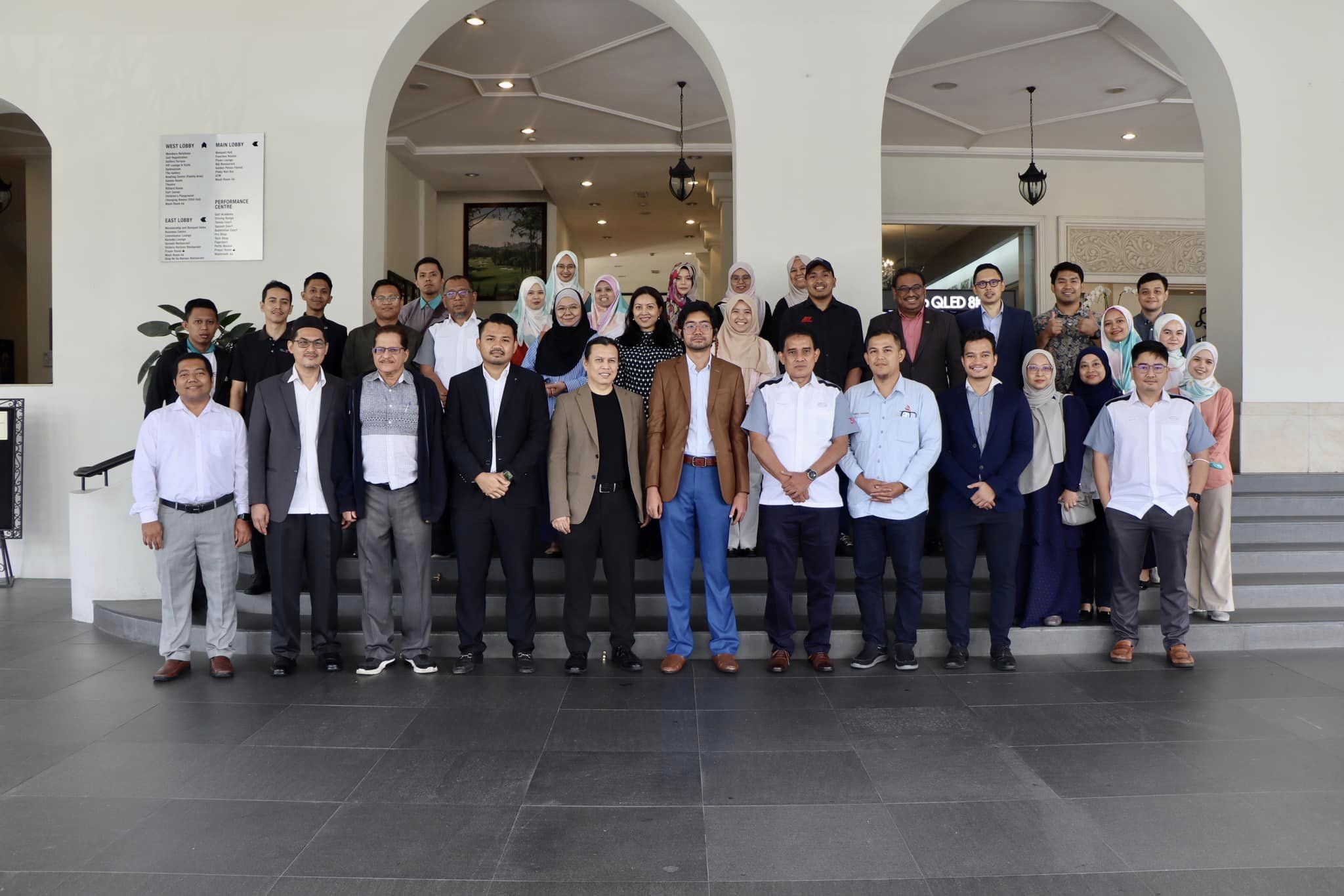
Encik Izwan Zainuddin, the Chief Executive Officer of PUNB, along with members of Bumiputera Retail Organizations (BRO), PUNB management and Rakan Usahawan PUNB, participated in the PUNB Economic Dialogue 2023 – ‘Unlocking Opportunities Amidst Uncertainties’ held at the Kuala Lumpur Golf & Country Club (KLGCC) on July 10th, 2023.

The session aimed to address the challenges faced by Malaysian businesses in the aftermath of the pandemic, which has led to a landscape riddled with economic uncertainties.

Prominent speakers and panelists, including Dr. Zouhair Rosli, Senior Researcher at DM Analytics; En. Firdaos Rosli, Chief Economist of Bank Islam Malaysia Berhad; and En. Muhamad Farouk Hassanain Hashim, Founder of Al-Ikhlas Gadget, were invited to provide their valuable insights.

Dr. Afendi Dato’ Dahlan, the Business Development Director of DR Group, served as the moderator for the panel session.

As a business owner, you definitely understand how to meet customer needs before they express them. How can you figure out what your customers want and need? The following are several approaches for determining client demand which can result in great customer experience:

By understanding and meeting the needs and demands of customers before they do, you can increase customer loyalty and strengthen business relationships with them. It can also help you be different from your competitors and create a successful and thriving business.

Have you heard about Average Order Value (AOV)?

Regardless of whether you hear it or not, as an entrepreneur, you may come across it as AOV helps to determine your business revenue.

So, what is AOV? Theoretically, AOV measures the average total of every order placed with a merchant over a defined period. In simpler words, AOV is the average amount of money customers spend each time they make a purchase from your business.

This helps in determining how much money you make per customer, evaluating your business, and identifying areas that can be improved or expanded. How can businesses increase their AOV? Here are some tricks you can apply:

Bundle Deal

Combining a few items and offering a cheaper price than buying them separately helps to pique customers’ interest because it is customary to assume that anything on sale is a good deal. As a business owner, you need strategies for which product to bundle and how to set prices without compromising much on cost (it should be cheaper than the combined price of each individual product).

Combinations also help in introducing and emphasising products that are likely less noticed by customers. As a result, a combination promo promotes other goods and boosts sales while enticing customers by allowing them to get all their desired products in one package at a reasonable price.

A local fast-food brand, and Rakan Usahawan PUNB known as CFC Sarawak, have followed the following principle:

CFC Sarawak offers a variety of combo sets that combine its famous chicken crispy menu with other products such as burgers, nuggets, and fries, along with a complimentary beverage. Customers could then purchase any sets available at a discounted rate instead of buying the item separately. Did you realise that they basically tried to ‘serve’ everything onto customers’ plates and sort of offer them the ‘power of control’ over what they ate?

Upsizing/Add-on…Almost Everything

If you are in the food and beverage industry, particularly in the beverage cafe-based business, perhaps this concept can improve your AOV.

Have you ever gotten caught up in this conversation while trying to buy a drink? “Why not upgrade to a venti? It’s only a few ringgit differences,” and almost every time the customer will say, “Yes, please!”

This strategy is all about convincing customers to buy upgraded versions of products they already intended to purchase. Offering them a limited number of cup sizes or topping flavour options, for instance, allows them to select the ideal preferences by paying extra money, which most customers thought was well spent.

The better they upgrade, the more revenue you’ll make!

However, as a business owner, you should never upsell your product; instead, approach your customer like a friend or problem-solver; be genuine and helpful, and try to use ‘encouragement’ or persuasive phrases whenever describing products and why they should go for the upgrade version. Of course, this requires skills and some experience, therefore practice, practice, practice!

Did you know that waiters and cashiers in Malaysia commonly use the phrases “Lagi?” and “Itu Saja?” to encourage customers to place more orders?

Buy More, Save Even More

Customers enjoy it more when there is a discount or promotion for the products they purchase because they can get a better deal than paying the regular price.

Customers sometimes feel guilty when they must spend more money on greater quantities. Therefore, proper planning is essential for an entrepreneur to ensure customers do not limit their spending and continue to purchase your goods.

You may run a “Buy More, Save Even More” campaign by giving customers a price break or discount if they purchase more items. This technique can indirectly allay their doubts about purchasing, especially in big amounts as they are aware of the price offer.

It is important to emphasise the amount of money they could save if they spent more!

However, research on the costs involved, as well as the profit and loss, must be done in advance to avoid any difficulties.

Conclusion

Of course, there are various other strategies to consider, such as offering gift cards, renting out your space for events, establishing a client loyalty program, and even offering free delivery for online businesses, depending on the type of business you run. Try the options and determine which one is the most effective, then work on that. Good Luck!

EXTRA!

Managing a business is no easy feat nowadays—economic and technological changes take place at an astonishing rate, meaning that the parameters for doing business also constantly change, notes Neal Jenson, Managing Director of a Salt Lake City-based consulting firm that has advised a range of businesses, from small start-ups to Fortune 500 companies.

If you are a CEO or an entrepreneur with your own business to look after, you are also in charge of nurturing and growing the business.

The first step to grow your business is to know how to make it thrive from its current state. One move that business owners can make to expand their business is to take it to the global level. However, before venturing out onto the global stage, it is critical to know if it is wise to take this leap, or to just stay put and conquer the local market.

Local or Global
Today, with the world becoming connected and everything seeming to be a stone’s throw away, many companies are entering the global arena. A survey conducted by Wells Fargo among American companies in 2016 found that an overwhelming 87 per cent were of the opinion that international expansion was vital for long-term growth. Be that as it may, there are still a handful of companies that see the benefits of staying local in order for their business to thrive.

Staying local does not mean having just one store in one location. What is meant by staying local is to concentrate your business on a particular city or region, even if you operate online.

By staying local, your business will have a more defined market, a clearer focus and a more targeted and personal branding. Staying local may also allow you to nurture the relationship between your business and its customers, which is one of the most important parts of a business. On the other hand, going global results in an increase in sales for your business as you open up your products and services to consumers from all over the world. This allows your business to not depend entirely on the local economy.

Knowing How to Decide
To know which path will benefit your business more, you will have to know the deciding factor. The deciding factor for any business is its target audience, followed by the market for expansion in the industry.

Social media is undoubtedly one of the best tools to find and to get to know your target audience better.

With the aid of social media apps such as Facebook and Instagram together with analytic tools, you can easily collect important data, identify and resolve issues as well as plan the growth of your business—all without costing you an arm and a leg. For instance, you can use the demographics data gained from a promotional video you created to identify the interest of your target audience, and thus make the necessary changes to your business plan in order for it to grow.

Going Global
To determine whether to stay local or to go global, be sure to know your business inside out to secure a bright future for your business.

What is the most challenging issue for companies looking to expand globally?

37% – Knowing where to start

34% – Finding the right local partner

14% – Dealing with different government rules

3% – Managing cultural issues

3% – Others

As can be seen from the survey above, the issue that most companies often find challenging when going global is to know where to start.

If you have weighed your options and decide to go global, it is vital for you to fully understand the impact this will cost your business.

Bear in mind the words of Diego Caicedo, co-founder and CEO of_OmniBank: “It may be better to serve one country well than several countries poorly.” If you feel that your business will be better off staying local, then it is advisable to just stay put and maintain your usual business. However, if you see the potential for launching your business at a global level, then make it your target and take the steps needed to see it come true.

TAKING YOUR BUSINESS GLOBAL

Take One Step at a Time

  • Start off with one particular product or service to test the market.
  • Introduce the next product or service if the results are positive and profits start to roll in.

Create an International Business Plan

  • Consider your overseas audience and international business goals.
  • Clearly define your international business objectives and ways for achieving these.
  • Consider the nature of your business, the intended target regions and projected returns.
  • Include any existing experience you or your employees have in international business.
  • Consider the global economic outlook.

Use Senior Executives as Leaders

  • Reduce the need to train new staff—don’t hire an entirely new team.
  • Make senior executives with proven track records the leaders for your new team.

Know Local Laws

  • Be aware of the legal requirements of the countries in which you are planning to operate to minimize and avoid unnecessary commercial risks.
  • Develop policies, procedures and handbooks that take cultural and linguistic differences and the consumer habits of a particular region into consideration.

Keep Local Employees Happy

  • Create remuneration and benefit packages that are attractive to local staff.
  • Hire a translator to help you to communicate better with local employees.

Foster Good Relationships

  • Develop a strategy and model that will support the ecosystem of your business. Create alliances with other parties or develop a distributorship programme.
  • Form relationships with suppliers and local marketing contractors in every new region.
  • Form regional sales goals requiring the involvement of local parties to keep the relationship active.

Get a Helping Hand

  • Get experts on board, such as professionals that can help you navigate legal/compliance requirements.
  • Get in touch with organizations in your target countries that are set up to attract investments.

Be Willing to Modify Products/Services

  • Products or services may need to be modified to appeal to the target market.
  • This may include product name or packaging.
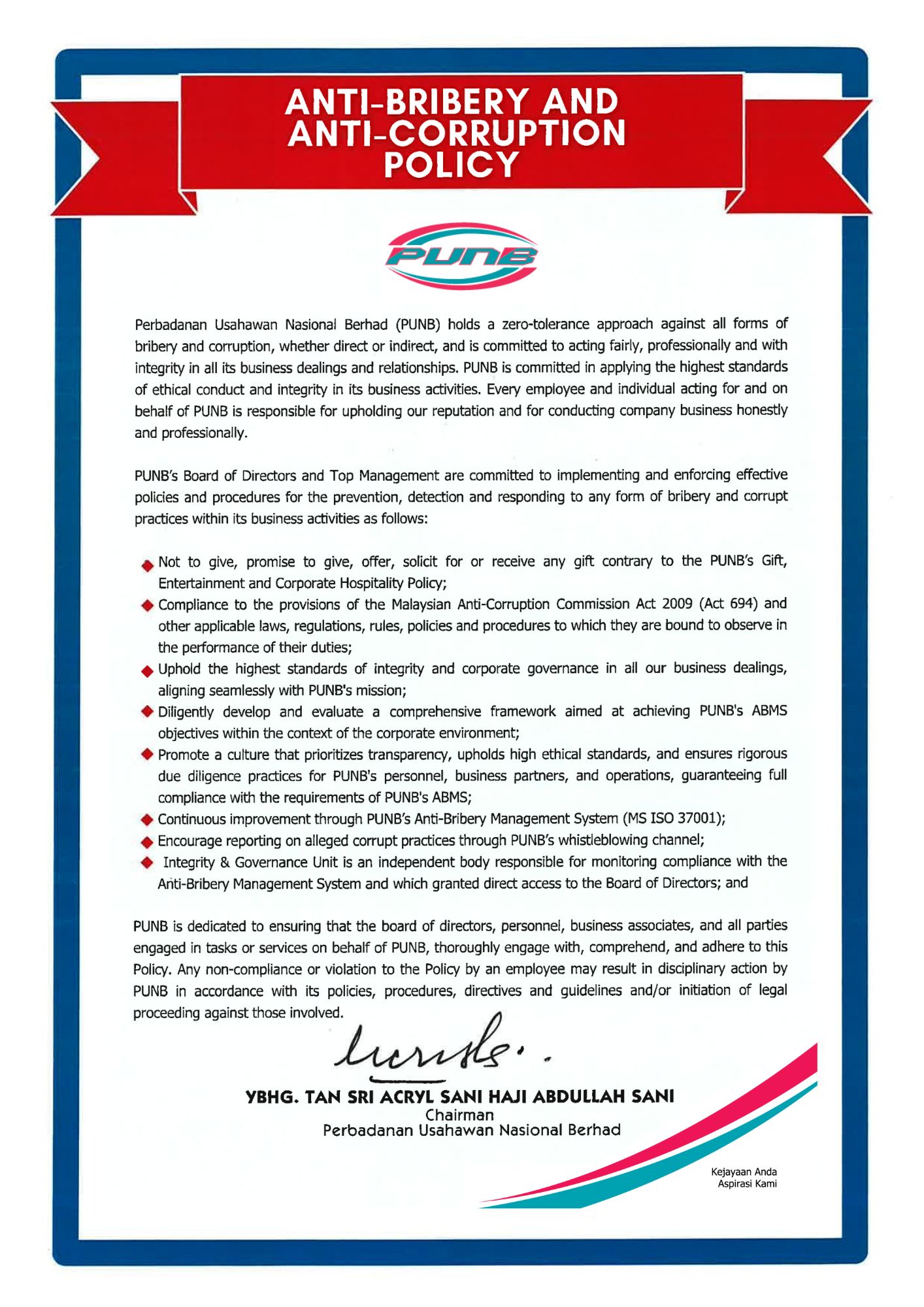
Read Policy

Kami Menghargai Maklum Balas Anda!
    Soalan 1

    Pengalaman Keseluruhan:

    Bagaimanakah anda menilai pengalaman keseluruhan anda di portal rasmi kami?

    Soalan 2

    Pencarian Maklumat:

    Adakah mudah untuk mencari maklumat yang anda cari?

    Soalan 3

    Bahagian Bantuan:

    Bahagian mana pada portal rasmi kami yang paling membantu anda?

    Soalan 4

    Jangkaan Laman Sesawang:

    Adakah portal rasmi kami memenuhi jangkaan anda?

    Soalan 5

    Kebarangkalian untuk Kembali:

    Adakah anda akan kembali ke portal rasmi kami pada masa hadapan?